
Why digital marketing is important? In the bustling hub of today’s digital society, staying ahead of the curve isn’t just advantageous — it’s essential. Picture a world where the digital landscape isn’t just a part of our daily routines, but the epicenter where dreams and innovation collide. Old school marketing? It’s taking a back seat to the fast-paced, dynamic strategies of digital outreach that reach deeper and more personally into consumers’ lives.
Prepare to unravel the digital marketing tapestry thread by vibrant thread, and understand how to weave your own success story in the modern marketplace.
The Rise of the Digital Age
A Brief History of Digital Transformation
The journey from traditional marketing to digital marketing has been nothing short of remarkable. It’s vital to understand the evolution that brought us here. Traditional marketing methods like print ads, billboards, and TV commercials have evolved into targeted and data-driven digital campaigns. Key milestones include the birth of the World Wide Web in 1991 and the emergence of Google as the dominant search engine in the late ’90s.
Statistics Showcasing the Growth of Digital Marketing
DIGITAL AD SPENDING WORLDWIDE IN DOLLARS:
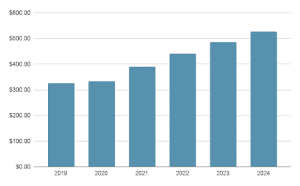
Now, let’s look at some compelling statistics that underscore the importance of digital marketing:
- Global Internet Usage: As of 2023, over 4.9 billion people worldwide are using the internet, representing 63% of the global population.
- E-commerce Boom: E-commerce sales reached a staggering $4.9 trillion in 2022, with an estimated 21.8% year-over-year growth.
- Mobile Dominance: Mobile devices drive a significant share of internet traffic, with mobile e-commerce sales accounting for 73% of total e-commerce sales.
These statistics demonstrate the immense potential of digital marketing in reaching a vast and diverse audience.
Why Businesses Cannot Ignore Digital Marketing
Reaching a Global Audience
One of the foremost advantages of digital marketing is its global reach. Digital platforms enable businesses to transcend geographical boundaries and connect with a worldwide audience. From social media advertising to content marketing, digital channels offer unprecedented access to potential customers.
Cost-Effectiveness
Compared to traditional marketing, digital marketing is more cost-effective. Businesses can allocate budgets efficiently and measure the return on investment (ROI) of their campaigns. For instance, email marketing, content creation, and social media advertising often offer a higher ROI than traditional advertising methods.
Components of Digital Marketing

Search Engine Optimization (SEO)

SEO is the cornerstone of digital marketing. It involves optimizing your online presence to rank higher in search engine results. This not only increases visibility but also boosts organic traffic to your website. Implementing effective SEO strategies is essential for long-term digital marketing success.
Content Marketing
Content is king in the digital world. Whether it’s blog posts, videos, or infographics, high-quality content engages and informs your audience. Content marketing builds trust and authority, driving customer loyalty and conversions.
Leveraging Social Media for Business Growth
Importance of a Strong Social Media Presence
Social media platforms have become the new marketplace, and having a robust presence is non-negotiable. Engaging with your audience on platforms like Facebook, Instagram, and LinkedIn not only boosts brand image but also fosters direct communication with customers.
Social Media Advertising
Social media advertising offers precise targeting options. Platforms like Facebook Ads and Instagram Ads enable businesses to reach their ideal audience based on demographics, interests, and behaviors. Real-life case studies of successful campaigns abound, showcasing how social media advertising can deliver impressive results.
The Power of Email Marketing
Why Email Marketing is Still Relevant
Contrary to some beliefs, email marketing remains highly relevant and effective. It boasts an impressive ROI, with an average return of $42 for every $1 spent. Personalized email campaigns can nurture leads, promote products, and keep customers engaged.
Crafting Successful Email Campaigns
Crafting engaging emails is an art. A well-designed email with compelling content can drive conversions. There are several email marketing platforms available, such as MailChimp and HubSpot, which provide templates and automation features to simplify the process.
Understanding Pay-Per-Click (PPC) Advertising
Basics of PPC
Pay-Per-Click advertising is a model where advertisers pay a fee each time their ad is clicked. It’s an effective way to drive immediate traffic to your website and generate leads. Businesses should consider using PPC, especially for time-sensitive promotions or product launches.
Creating a PPC Campaign
Creating a successful PPC campaign requires meticulous planning. You need to select the right keywords, set a budget, and craft compelling ad copy. Platforms like Google Ads and Bing Ads provide tools and analytics to help optimize your campaigns.
Influencer Marketing: The New Frontier
Why Consider Influencer Marketing
Influencer marketing has gained traction as a potent strategy. Partnering with influencers allows brands to tap into their dedicated and engaged followers. Authentic recommendations from influencers can significantly impact consumers’ buying decisions.
Collaborating with the Right Influencers
Finding the right influencers to collaborate with is essential. It’s crucial to align their values with your brand and set clear expectations. Avoiding pitfalls like inauthentic endorsements and choosing influencers with genuine connections to your industry is key to a successful influencer marketing campaign.
Conclusion
In conclusion, the digital age has reshaped the marketing landscape, making digital marketing indispensable for businesses. The growth statistics and the shift from traditional to digital methods underscore the need for adaptation. The components of digital marketing, from SEO to influencer marketing, offer a diverse set of tools to connect with a global audience, maintain cost-effectiveness, and deliver results. As we move forward, it’s evident that digital marketing will continue to evolve, providing new opportunities for businesses to thrive in the digital age.
FAQs
What is the ROI of email marketing?
Email marketing boasts an average ROI of $42 for every $1 spent, making it a highly cost-effective strategy.
How can I find the right influencers for my brand?
To find the right influencers, look for individuals whose values align with your brand, have a genuine connection to your industry, and boast an engaged and relevant audience.
What are some budget-friendly digital marketing strategies?
Budget-friendly digital marketing strategies include content marketing, social media marketing, and email marketing. These methods can yield substantial results without breaking the bank.
What are the top PPC advertising platforms?
Google Ads and Bing Ads are two of the top PPC advertising platforms that offer robust tools and extensive reach for your campaigns.
For more information visit:https://acxhub.com/